





Three-Point Pressure Brace
- Hyperlordosis-Has two pads on the back of the belt-Designed based on a three-point pressure system to correct the curvature of the back-reduces pressure on the vertebrae of the spine and improves back pain caused by lumbar lordosis
ضمانت مرجوعی
در صورت استفاده نشدن
ارسال پستی رایگان
بالای 4 میلیون تومان
ارسال فوری
ارسال فوری در تهران و پردیس
Three-Point Pressure Brace
- Hyperlordosis-Has two pads on the back of the belt-Designed based on a three-point pressure system to correct the curvature of the back-reduces pressure on the vertebrae of the spine and improves back pain caused by lumbar lordosis
The Tanyar Three-Point Pressure Brace is an orthopedic support designed to provide support to the spine and help control trunk movements. By applying pressure and support at specific points, this brace can help limit inappropriate spinal movements and provide additional support when movement control is required.
The brace features 4 spring splints that help enhance support and stability around the lower back. The Tanyar Three-Point Pressure Brace is available in three sizes: M, F, and 3XL, allowing users to choose a size that fits their body appropriately.
What Is a Three-Point Pressure Brace?
A three-point pressure brace is a type of spinal support brace designed to control the position and movement of the spine through support at three specific points of the trunk. Unlike simple back support belts, this design distributes supportive forces across multiple areas and helps limit certain spinal movements, particularly excessive forward bending of the trunk.
The purpose of a three-point pressure brace is not to completely immobilize the spine. Instead, it is designed to provide support and help control movement when the use of a spinal brace has been recommended by a physician or orthopedic specialist.
Uses of a Three-Point Pressure Brace
A three-point pressure brace may be used to provide spinal support in certain vertebral injuries and conditions. A physician should determine whether this type of brace is appropriate based on the individual’s condition and treatment needs.
Potential uses include:
- Supporting the spine during treatment and rehabilitation
- Helping control excessive spinal flexion
- Limiting certain inappropriate trunk movements
- Providing additional support to the lower back and spine
- Helping maintain a more appropriate spinal position
- Supporting certain spinal injuries and conditions as recommended by a physician
Features of the Tanyar Three-Point Pressure Brace
One of the key features of this product is its 4 spring splints. The splints contribute to the supportive structure of the brace and help it maintain its shape during use while providing additional support to the targeted area.
The three-point pressure design also distributes supportive forces across specific areas rather than concentrating them in a single location. This design distinguishes a three-point pressure brace from standard back support belts.
Product Specifications
| Feature | Specification |
|---|---|
| Product Name | Tanyar Three-Point Pressure Brace |
| Product Type | Spinal support brace |
| Number of Splints | 4 spring splints |
| Available Sizes | M, F, and 3XL |
| Main Function | Spinal support and movement control |
Who Can Use a Three-Point Pressure Brace?
This product may be suitable for individuals who have been advised by a physician or orthopedic specialist to use additional spinal support and movement control. In certain spinal conditions and vertebral injuries, a three-point pressure brace may be recommended as part of a treatment or rehabilitation plan.
However, having back pain does not necessarily mean that a three-point pressure brace is required. The cause of the pain, the location of the injury, and the individual’s physical condition should be evaluated before selecting an appropriate brace.
Is a Three-Point Pressure Brace Suitable for Back Pain?
A three-point pressure brace is not intended for every type of back pain. It is a specialized spinal support brace designed to help control certain spinal movements and should not be considered equivalent to general-purpose back support belts.
If back pain is associated with a vertebral injury or a condition in which limiting certain spinal movements is considered necessary, a physician may recommend a three-point pressure brace. Therefore, it is advisable to identify the cause of back pain before using this type of brace without professional guidance.
Is a Three-Point Pressure Brace Suitable for a Herniated Disc?
Whether a three-point pressure brace is appropriate for someone with a herniated disc depends on the individual’s condition. Not everyone with a herniated disc requires the same type of back support, and factors such as the location and severity of the condition may affect the choice of brace.
If you are considering using a three-point pressure brace for a herniated disc, consult a physician or orthopedic specialist to determine whether this type of brace is appropriate and how long it should be used.
What Is the Function of the 4 Spring Splints?
The Tanyar Three-Point Pressure Brace features 4 spring splints. These splints contribute to the supportive structure of the brace and help provide additional support to the targeted area when the product is worn.
The spring splints also help the brace maintain its shape during use. However, the overall effectiveness of the brace also depends on proper positioning, fitting, and adjustment on the body.
How to Use a Three-Point Pressure Brace
For proper use, the brace should be positioned according to the shape of the body and adjusted appropriately. The pressure points and supportive sections should be correctly positioned to allow the brace to function as intended.
Do not tighten the brace excessively. Excessive pressure may cause discomfort or unnecessary pressure on the skin. If your physician has provided specific instructions regarding how or how long to use the brace, follow those instructions.
If you experience unusual pain, numbness, tingling, skin discoloration, or excessive pressure in a specific area, stop using the brace and consult a physician or orthopedic specialist to check its fit and positioning.
Choosing the Right Size
The Tanyar Three-Point Pressure Brace is available in M, F, and 3XL. Choosing the correct size is important because a brace that is too small or too large may not fit properly and may not provide the intended level of support.
When selecting a size, refer to the product’s size chart and follow the recommended measurement instructions. If your measurements fall between two sizes or you are unsure which size to choose, consult the product support team before purchasing.
Important Tips for Using a Three-Point Pressure Brace
- Use the brace according to the instructions provided by your physician or orthopedic specialist.
- Choose the appropriate size for your body.
- Avoid tightening the brace excessively.
- Make sure the brace and splints are positioned correctly.
- Regularly check the skin in areas exposed to pressure.
- If numbness, tingling, or unusual pain occurs, check the fit and positioning of the brace.
- Follow your physician’s recommendations regarding the duration of use.
- Do not use the three-point pressure brace as a replacement for prescribed medical treatment.
Three-Point Pressure Brace vs. Standard Back Support Belt
Standard back support belts are generally designed to provide general support to the lower back and help reduce strain on the muscles and spine. In contrast, a three-point pressure brace has a more specialized design intended to provide support at specific points and help control certain spinal movements.
Therefore, the choice between a standard back support belt and a three-point pressure brace should be based on the individual’s condition and treatment needs. If a physician has prescribed a three-point pressure brace, a standard back support belt may not necessarily provide the same type of support.
Buy the Tanyar Three-Point Pressure Brace
If you are looking for a three-point pressure brace with 4 spring splints, the Tanyar Three-Point Pressure Brace can be used by individuals who require additional spinal support and movement control. The product is available in M, F, and 3XL and features a three-point pressure design intended to provide support at specific areas of the trunk.
Choosing the correct size is important before purchasing. If a physician has recommended a three-point pressure brace for you, make sure to follow their instructions regarding the correct fitting, positioning, and duration of use.
Frequently Asked Questions
What is a three-point pressure brace used for?
A three-point pressure brace is a spinal support brace designed to provide support at three specific points and help control certain trunk movements, including excessive forward bending of the spine.
How many splints does the Tanyar Three-Point Pressure Brace have?
The Tanyar Three-Point Pressure Brace features 4 spring splints, which contribute to the supportive structure and help the brace maintain its shape during use.
What sizes is the Tanyar Three-Point Pressure Brace available in?
The product is available in three sizes: M, F, and 3XL.
Is a three-point pressure brace good for a herniated disc?
It depends on the individual’s condition. A three-point pressure brace is not suitable for every person with a herniated disc, so its use should preferably be determined by a physician or orthopedic specialist.
Is a three-point pressure brace suitable for back pain?
This product is not designed for every type of back pain. If a physician determines that controlling certain spinal movements may be beneficial, a three-point pressure brace may be recommended as part of the treatment or rehabilitation plan.
Can I sleep while wearing a three-point pressure brace?
The appropriate duration and conditions of brace use depend on the individual’s condition and the physician’s instructions. Do not wear the brace while sleeping unless specifically advised to do so by a healthcare professional.
Can a three-point pressure brace treat a vertebral fracture?
A brace may be used in certain vertebral injuries and fractures to provide spinal support and help control movement. However, a brace alone does not treat a fracture, and the appropriate treatment should be determined by a physician.
Should a three-point pressure brace be tightened firmly?
No. The brace should be adjusted so that it remains securely positioned on the body without causing excessive pressure, pain, or discomfort.
Conclusion
The Tanyar Three-Point Pressure Brace is a spinal support brace designed to help control certain trunk movements and provide support to the spine through a three-point pressure structure. Its 4 spring splints contribute to the supportive structure and help maintain the shape of the brace during use. The product is available in M, F, and 3XL, making proper size selection an important part of achieving an appropriate fit.
A three-point pressure brace is not suitable for every type of back pain or spinal condition. Its use should be based on the advice of a physician or orthopedic specialist. When the correct size is selected and the brace is properly fitted and used, it can serve as a supportive orthopedic device alongside the treatment and rehabilitation of certain spinal conditions.
| size | M, F, 3XL |
|---|
Related products

Pediatric Back Brace and Posture Corrector
- Designed to support proper shoulder and upper-body posture in children
- Supportive back brace design with an integrated waist belt
- Helps encourage a more appropriate shoulder and upper-body position
- Helps keep the product appropriately positioned around the child's torso
- Suitable for use alongside posture improvement and corrective exercises
- For use according to the recommendation of a physician or orthopedic specialist

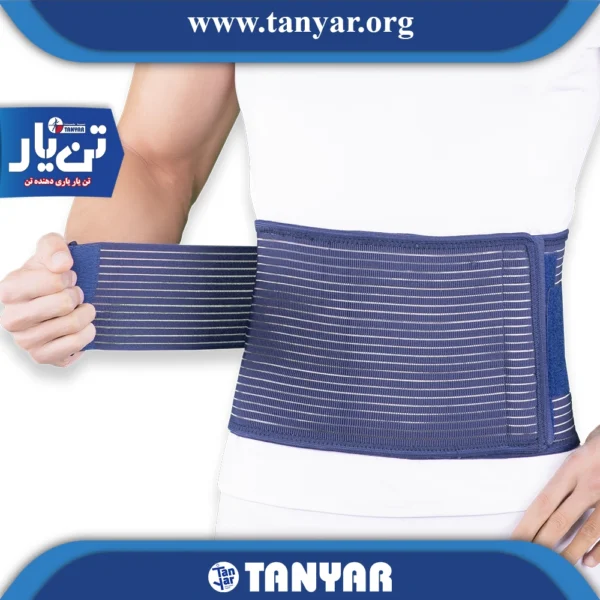
Soft Lumbo-Sacral Support


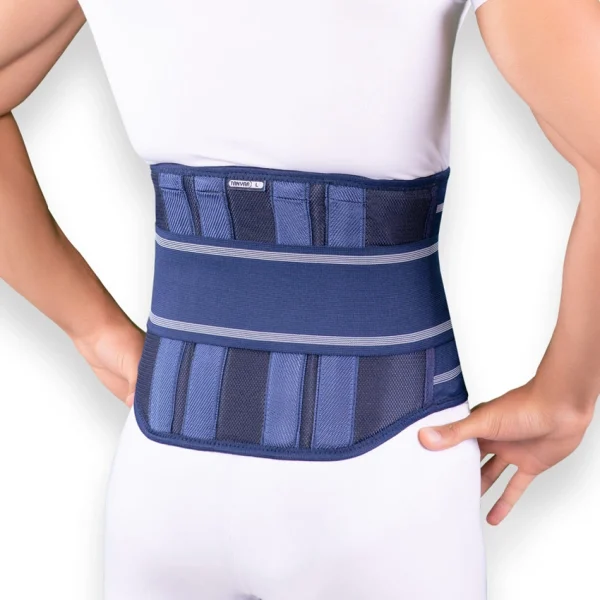
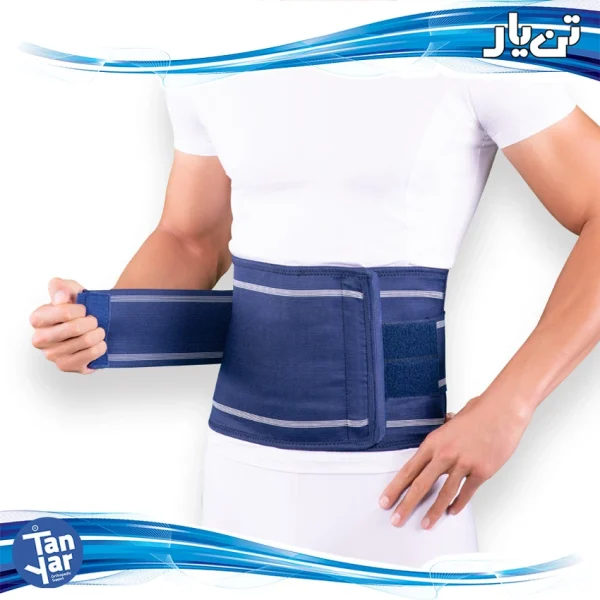
Eco Hard Back Support Brace
- Spinal-column spondylosis - including 4 rigid polyamide splints.
- Made from durable, breathable fabric at the waist and high-quality elastic at the abdomen.


Reviews
There are no reviews yet.